


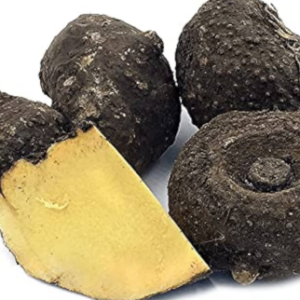
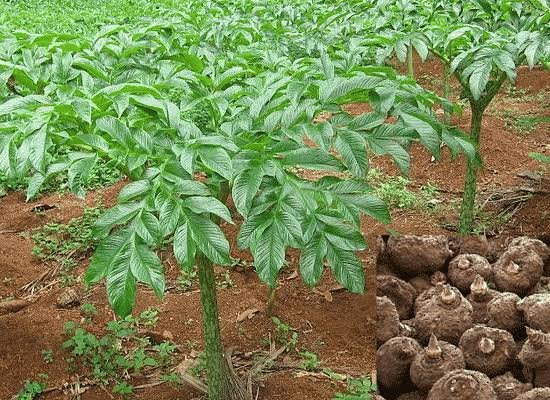
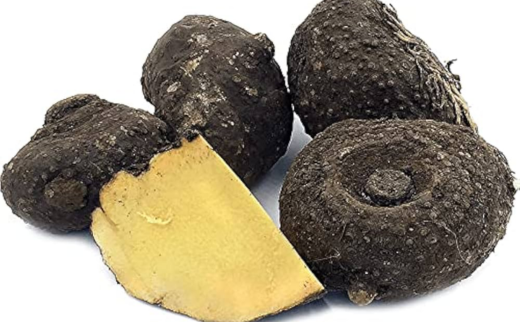
Growing an elephant foot yam corm (also called suran or Amorphophallus paeoniifolius) is straightforward if you provide warmth, moisture, and rich soil.


6
1. Choose a healthy corm
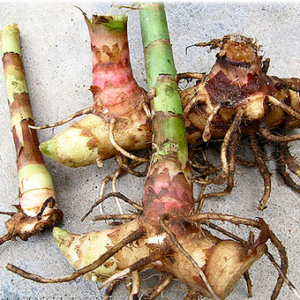
- Select a firm, disease-free corm.
- If it’s large (over 500 g), you can cut it into pieces, ensuring each piece has at least one visible bud (“eye”).
- Allow cut pieces to dry and heal for 2–3 days in a shaded, airy place before planting.
2. Prepare the soil
Elephant foot yam prefers:
- Loose, well-drained, fertile soil
- Plenty of organic matter (compost or well-rotted manure)
- Soil pH of about 5.5–7.0
Avoid waterlogged areas, as the corm can rot.
3. Planting
- Plant during the warm rainy season or after the danger of frost has passed.
- Dig a hole about 10–15 cm (4–6 inches) deep.
- Place the corm with the bud facing upward.
- Cover with soil and mulch.
Spacing
- Small corms: 45–60 cm apart
- Large corms: 75–90 cm apart
4. Watering
- Water lightly after planting.
- Keep the soil evenly moist but not soggy.
- Once the plant is actively growing, water regularly, especially during dry periods.
5. Fertilizing
Mix compost into the soil before planting. During growth:
- Apply a balanced fertilizer every 4–6 weeks.
- Potassium-rich fertilizers help produce larger corms.
6. Care
- Remove weeds regularly.
- Mulch to conserve moisture.
- The plant grows one large umbrella-like leaf from the corm.
- Avoid disturbing the roots during the growing season.
7. Harvest
- Harvest 7–9 months after planting.
- The leaf will naturally yellow and die back when the corm is mature.
- Carefully dig around the plant to avoid damaging the corm.





Reviews
There are no reviews yet.