

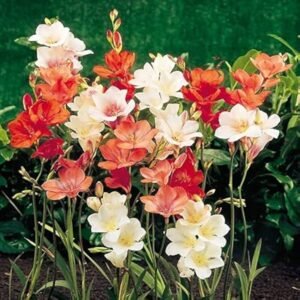
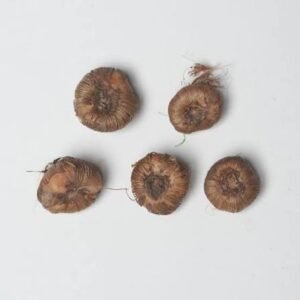
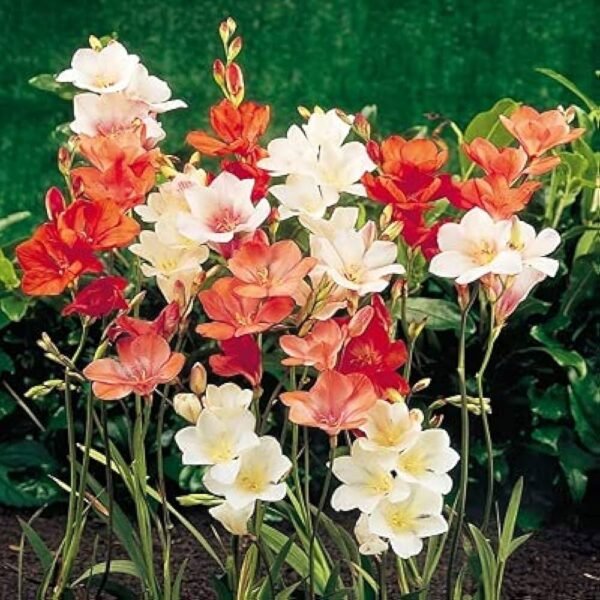
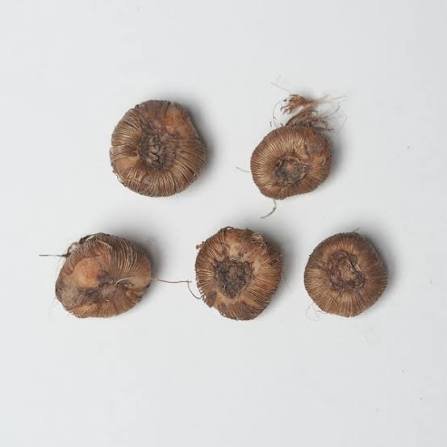
Growing Tritonia from bulbs (technically corms) is fairly easy if you provide plenty of sunlight and well-drained soil.
1. Planting time
- Cool-winter climates: Plant in autumn.
- Cold climates with freezing winters: Plant in spring after the last frost, or grow in containers and protect from freezing.
- Warm tropical/subtropical climates (such as much of India): Plant during the cooler months (around October–December) for winter to spring flowering.
2. Choose the right location
- Full sun (at least 6 hours daily).
- Well-drained, sandy or loamy soil.
- Avoid places where water collects after rain.
3. Plant the corms
- Plant 5–8 cm (2–3 inches) deep.
- Space them 8–10 cm (3–4 inches) apart.
- Place the pointed end facing upward.
4. Watering
- Water thoroughly after planting.
- Keep the soil slightly moist while the plant is actively growing.
- Do not let the soil become soggy.
- Reduce watering once flowering finishes and the leaves begin to yellow.
5. Fertilizing
- Mix compost into the soil before planting.
- During growth, apply a balanced fertilizer (such as 10-10-10) once every 3–4 weeks.
- Stop fertilizing after flowering.
6. After flowering
- Leave the leaves until they naturally turn yellow. They replenish the corm for next year’s flowers.
- Once the foliage has died back, stop watering.
- In areas with heavy rain or severe frost, lift the corms, dry them for a few days, and store them in a cool, dry place until the next planting season.
7. Pests and problems
- Rot: Usually caused by overwatering or poorly drained soil.
- Snails and slugs: May eat young shoots.
- Aphids: Can occasionally attack flower stems.




Reviews
There are no reviews yet.