

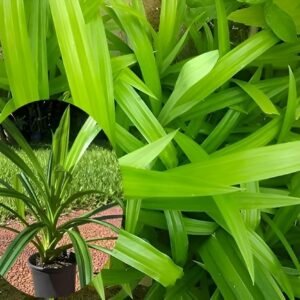
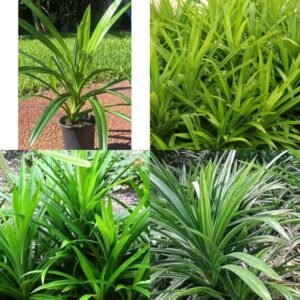
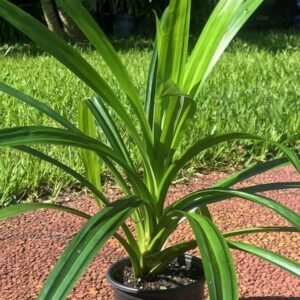
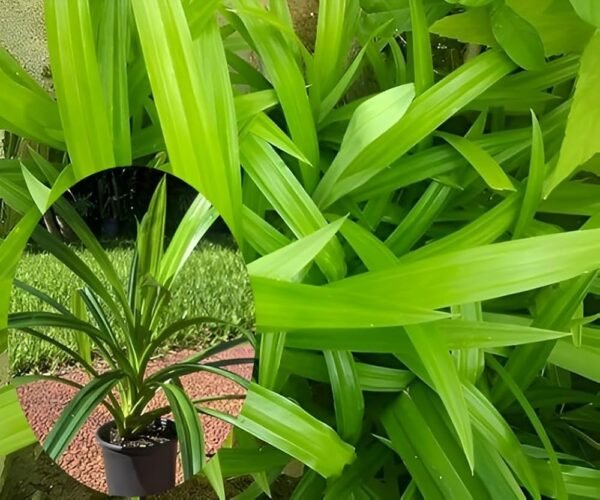
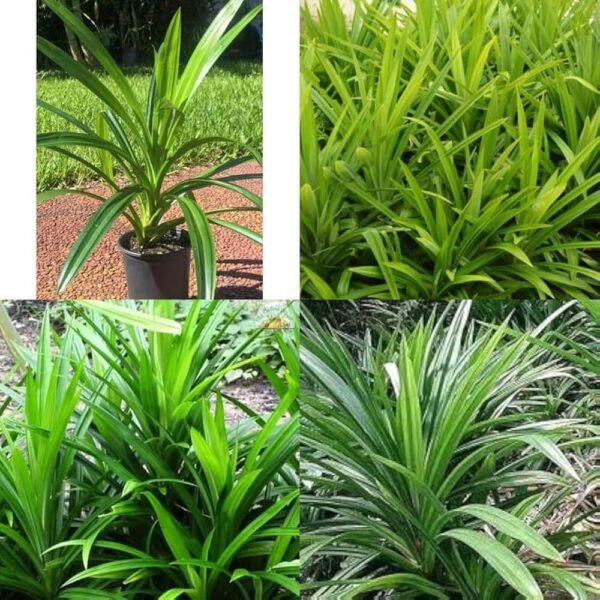
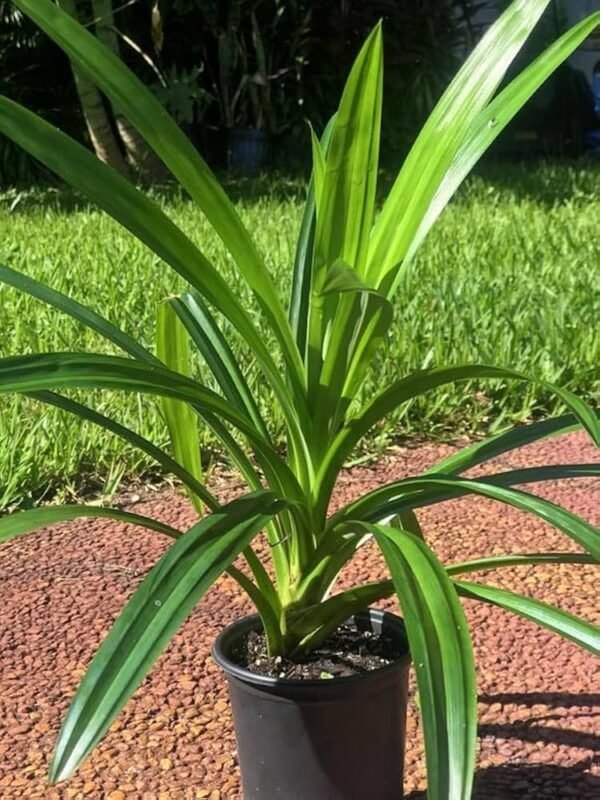
Biryani Leaf Plant (Pandanus amaryllifolius) Care Guide
The biryani leaf plant (also called pandan, rampe, or screwpine) is a tropical, evergreen plant grown for its highly fragrant leaves. It thrives in warm, humid conditions and is easy to grow in most parts of India.
🌞 Light
- Best: Bright indirect light or morning sunlight (3–5 hours).
- Can tolerate partial shade.
- Avoid harsh afternoon sun during peak summer, which may scorch the leaves.
🌡️ Temperature
- Ideal: 22–35°C
- It grows vigorously during the monsoon and warm months.
- Protect from temperatures below 12°C.
💧 Watering
- Keep the soil consistently moist but not waterlogged.
- Water when the top 2–3 cm of soil feels slightly dry.
- During monsoon, reduce watering if the pot is receiving rain.
🪴 Best Potting Mix
Use a well-draining mix:
- 40% garden soil
- 30% compost or vermicompost
- 20% river sand
- 10% cocopeat or coco chips
A pot with drainage holes is essential.
🌱 Fertilizer
Feed once every 30–45 days:
- Vermicompost: 1–2 handfuls
- Or a balanced NPK (19:19:19) at 1 g/L once a month
- Liquid seaweed or fish emulsion every 15–20 days also promotes lush growth.
✂️ Pruning
- Remove old yellow or damaged leaves.
- Cut leaves from the outside of the clump first.
- Don’t remove too many leaves at once, as the plant needs them for growth.
🌿 Propagation
The easiest method is by suckers (offsets):
- Wait until the sucker is 15–20 cm tall with some roots.
- Separate it with a clean knife.
- Plant it in moist soil.
- Keep it in shade for a week before moving it to brighter light.
🍃 Harvesting Leaves
- Harvest only mature outer leaves.
- Leave the central young leaves untouched.
- Wash and tie the leaves into a knot before adding them to biryani, pulao, desserts, or coconut-based dishes for fragrance.
- Fresh leaves are much more aromatic than dried ones.







Reviews
There are no reviews yet.