

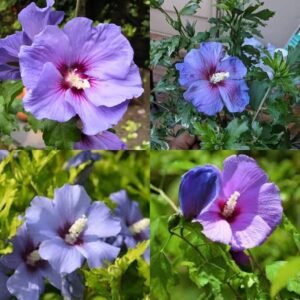
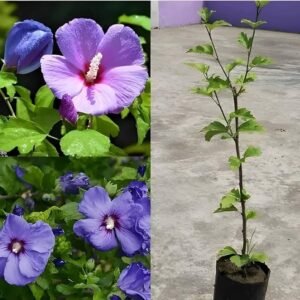
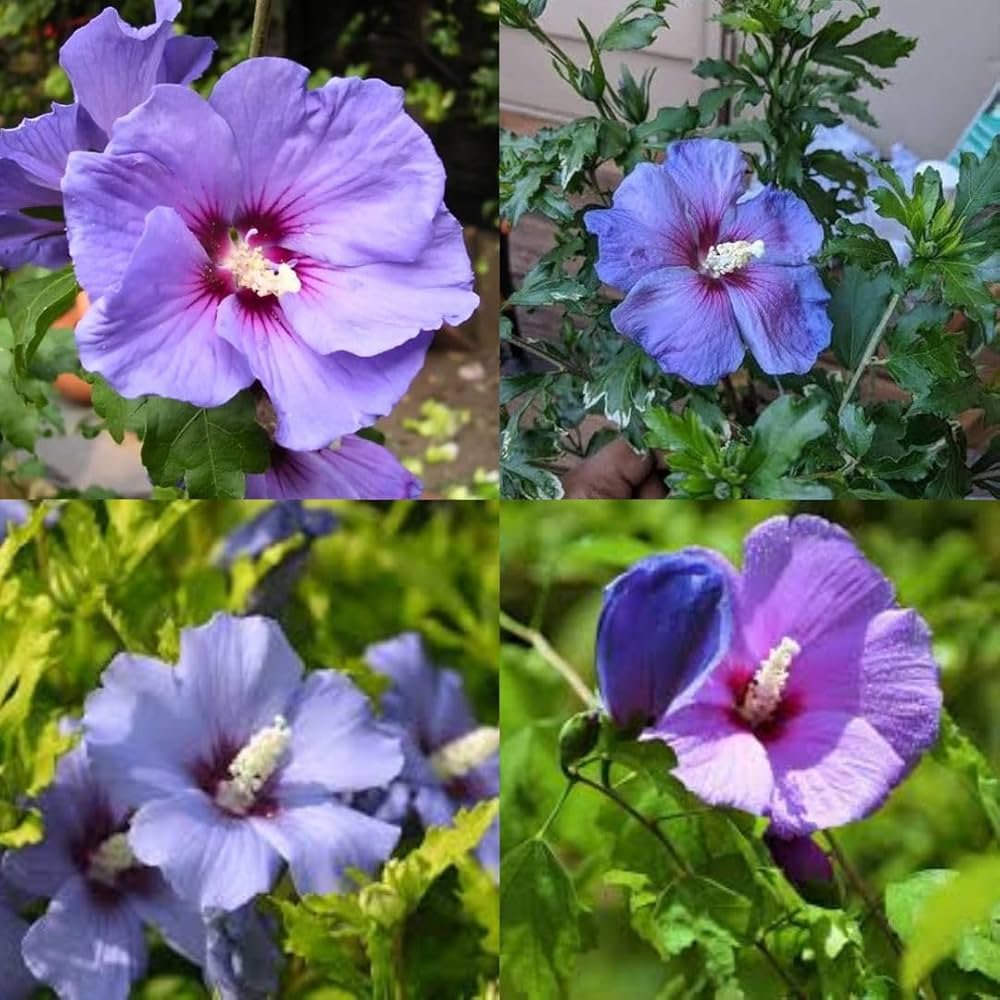
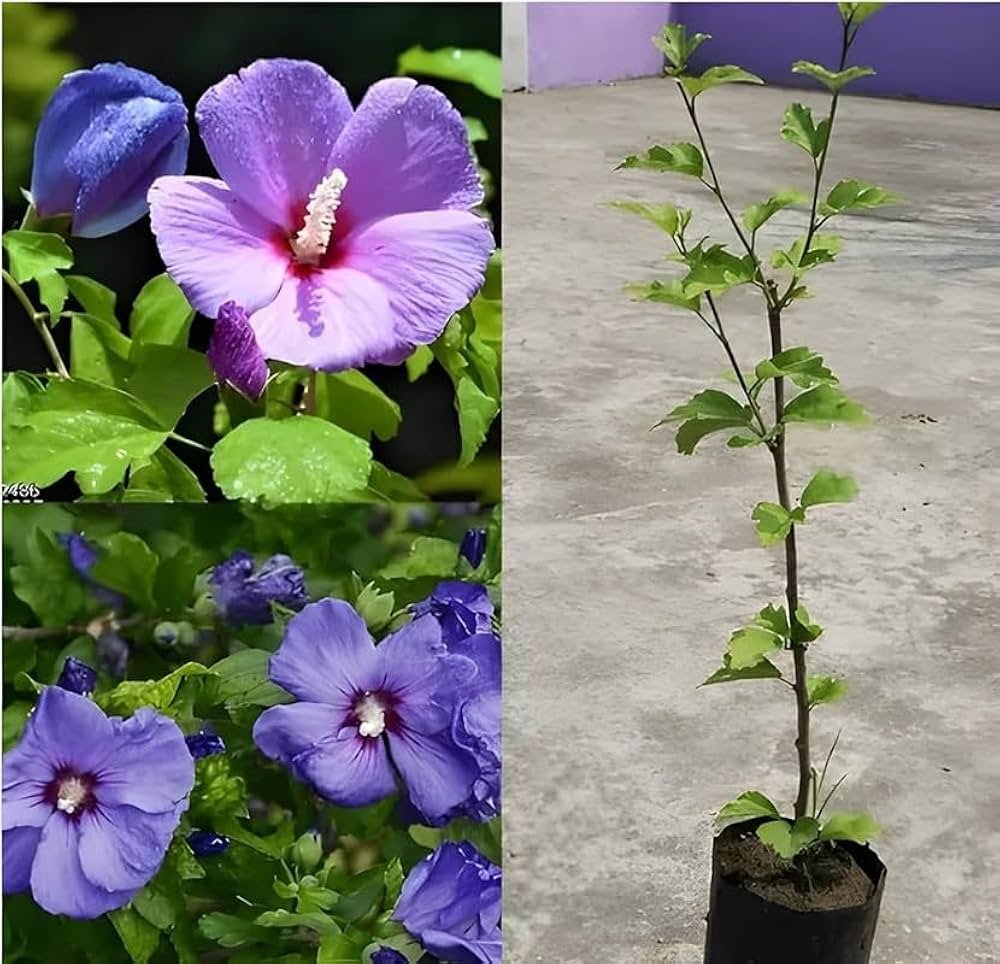
Hibiscus is one of the easiest flowering plants to grow in India’s climate. With proper sunlight, watering, and feeding, it can bloom almost throughout the year.
1. Sunlight
- Give 6–8 hours of direct sunlight daily.
- More sunlight = more flowers.
- In very hot summers (above 40°C), light afternoon shade is beneficial.
2. Pot and Soil
Choose a pot at least 12–16 inches wide with drainage holes.
A good potting mix:
- 40% garden soil
- 30% compost or well-rotted cow manure/vermicompost
- 20% river sand
- 10% cocopeat
The soil should drain well but stay slightly moist.
3. Watering
- Water deeply when the top 1–2 inches of soil feels dry.
- During summer: every 1–2 days (depending on weather).
- During monsoon: water only if the soil is drying.
- During winter: reduce watering.
Avoid keeping the soil constantly soggy, as this can cause root rot.
4. Fertilizer
Feed every 15–20 days.
Organic options:
- Vermicompost: 1–2 handfuls
- Cow manure
- Mustard cake liquid (well fermented and diluted)
- Banana peel compost (occasionally)
For more flowers, use a fertilizer with higher phosphorus and potassium once every 3–4 weeks.
5. Pruning
- Remove dead flowers regularly.
- Prune long branches in late winter or after the main flowering flush.
- Light pruning encourages more branching and more blooms.
6. Common Problems
Yellow leaves
- Overwatering
- Poor drainage
- Nutrient deficiency
Leaves but no flowers
- Not enough sunlight
- Too much nitrogen fertilizer
- Needs pruning
Buds falling
- Irregular watering
- Sudden weather changes
- Pest attack
7. Pest Control
Watch for:
- Aphids
- Mealybugs
- Whiteflies
- Spider mites
Spray neem oil:
- 5 ml neem oil
- 2–3 drops of mild liquid soap
- Mix in 1 litre of water
- Spray every 7–10 days in the evening.
8. Best Temperature
- Ideal: 20–35°C
- Protect from frost during winter.


Reviews
There are no reviews yet.