

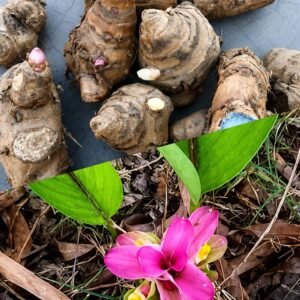
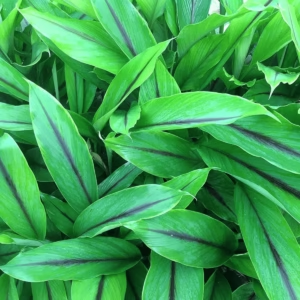
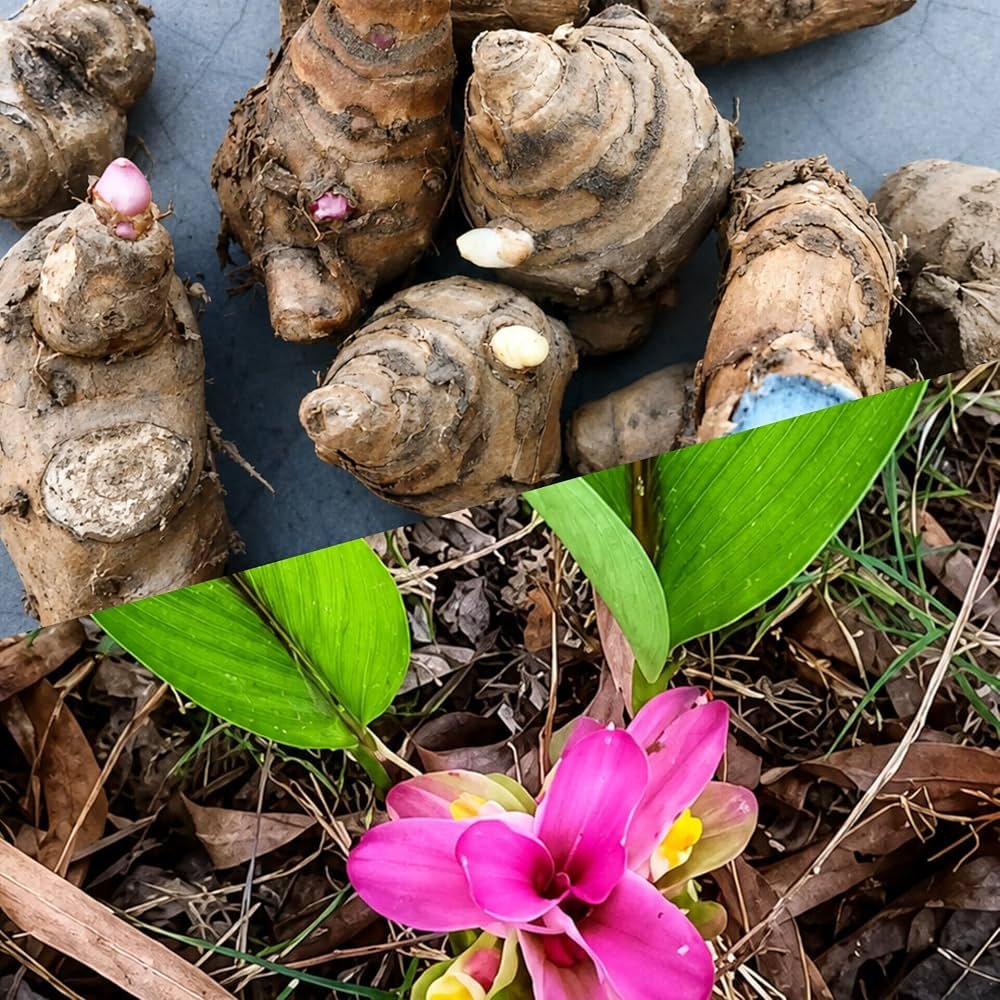

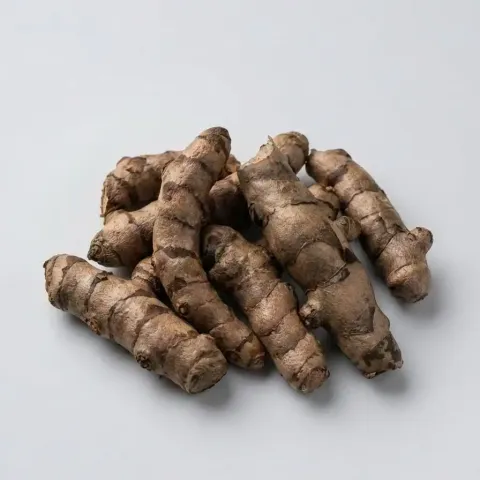
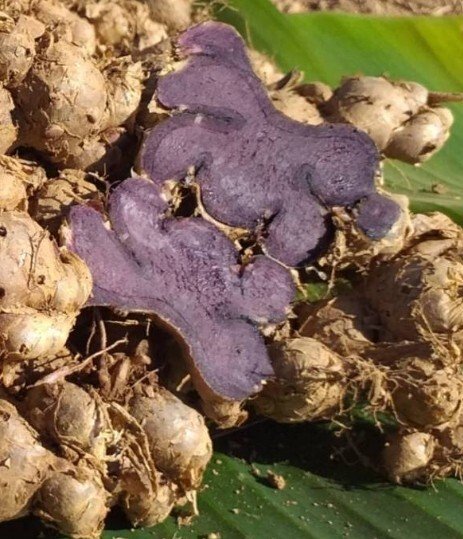
Growing Black turmeric (also called Curcuma caesia) is similar to growing regular turmeric, but it prefers warm, humid conditions and well-drained soil.


6
1. Choose healthy planting material
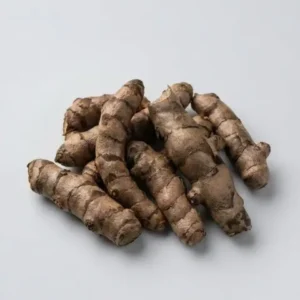
- Use a healthy, disease-free rhizome (bulb-like underground stem) with at least 1–2 visible buds (“eyes”).
- Larger rhizomes usually produce stronger plants.
2. Best planting time
- Plant just before or at the beginning of the rainy season.
- In tropical climates like much of India, this is usually April to June.
3. Soil requirements
Use loose, fertile, well-drained soil with:
- Plenty of compost or well-rotted farmyard manure.
- Soil pH around 5.5–7.0.
A good mix is:
- 50% garden soil
- 30% compost
- 20% sand or coco peat
4. Planting
- Plant the rhizome 5–8 cm (2–3 inches) deep.
- Keep the bud facing upward.
- Space plants 30–45 cm apart.
5. Watering
- Water immediately after planting.
- Keep the soil consistently moist but never waterlogged.
- Reduce watering when the leaves begin to yellow at the end of the growing season.
6. Light
- Grows best in partial shade or filtered sunlight.
- Avoid intense afternoon sun in very hot areas.
7. Fertilizer
Every 4–6 weeks, apply:
- Compost or vermicompost.
- Organic fertilizers such as neem cake or well-rotted manure.
- If using chemical fertilizer, a balanced NPK fertilizer can be applied sparingly.
8. Mulching
Cover the soil with:
- Dry leaves
- Straw
- Paddy husk
Mulch helps conserve moisture and suppress weeds.
9. Harvesting
- Ready in about 8–10 months.
- Harvest when the leaves turn yellow and dry.
- Carefully dig around the plant to avoid damaging the rhizomes.
10. Storage
- Dry harvested rhizomes in the shade for several days.
- Store in a cool, dry, well-ventilated place.
- Keep some healthy rhizomes for the next planting season.
Growing in pots
Use a pot that is:
- At least 30–40 cm (12–16 inches) deep and wide.
- Filled with rich, well-drained potting mix.
- Kept in bright shade with regular watering.

Reviews
There are no reviews yet.