

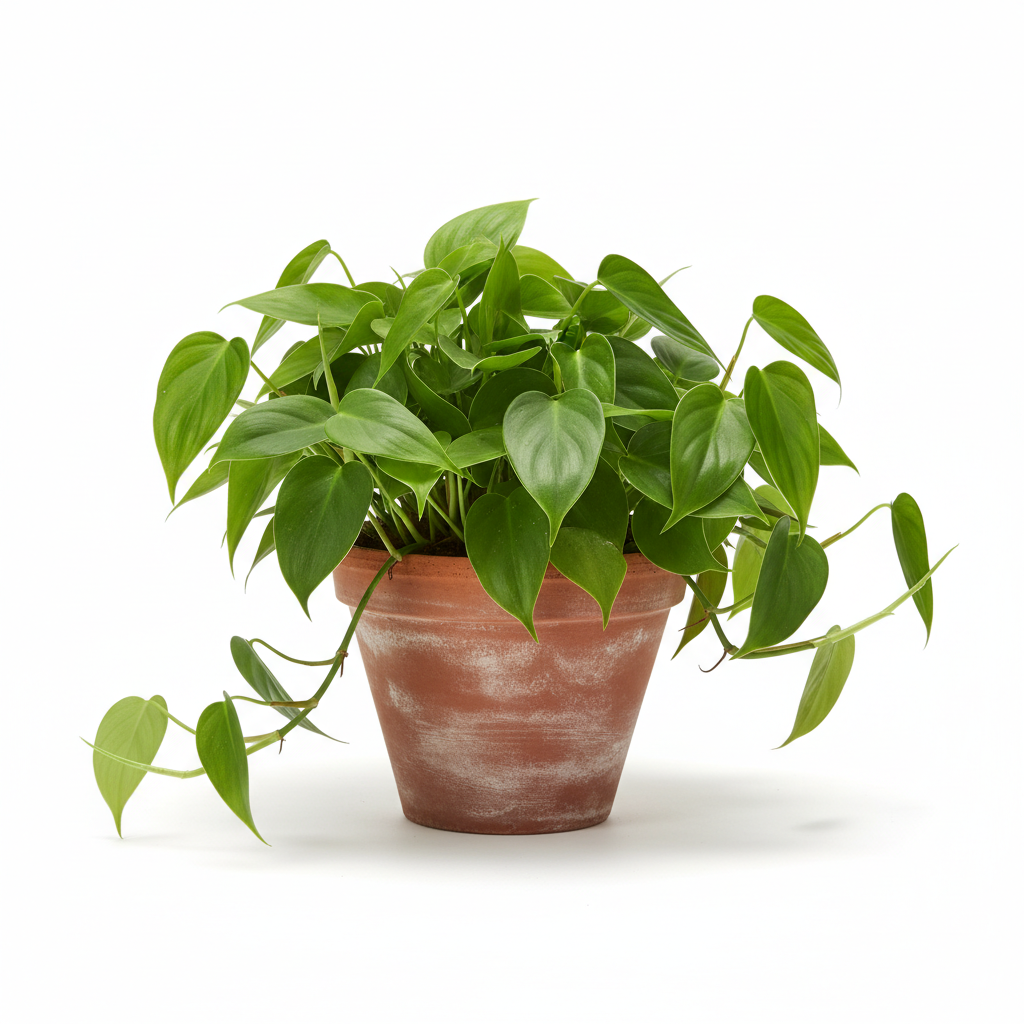
The Philodendron oxycardium — often called the Heartleaf Philodendron — is one of the easiest and most forgiving indoor plants you can grow. It’s loved for its glossy, heart-shaped leaves and trailing vines that thrive in most indoor conditions.
🌿 Philodendron Oxycardium (Heartleaf Philodendron) Indoor Care Guide
1. Light
- Ideal: Bright, indirect light.
- Tolerates: Low light (but grows slower).
- Avoid: Direct sunlight — it can burn the leaves.
- Tip: Near an east- or north-facing window is perfect.
2. Temperature & Humidity
- Temperature: 65–85°F (18–29°C).
- Avoid: Cold drafts or temperatures below 55°F (13°C).
- Humidity: Moderate to high (40–70%).
- Thrives in normal indoor humidity, but appreciates extra moisture in dry homes.
- You can mist occasionally or use a small humidifier.
3. Watering
- Rule: Let the top 1–2 inches of soil dry before watering again.
- Too much water: Causes yellowing leaves and root rot.
- Too little: Leaves wilt and curl.
- Tip: Water less in winter when growth slows.
💧 A good routine: Water roughly once every 7–10 days (adjust to your environment).
4. Soil
- Type: Loose, well-draining potting mix.
- Great blend: 2 parts peat or coco coir + 1 part perlite + 1 part orchid bark.
- pH: Slightly acidic (5.5–6.5).
🪴 It’s the same kind of mix used for Monsteras or Pothos.
5. Fertilizer
- When: Spring through summer (growing season).
- Frequency: Once every 4–6 weeks.
- Type: Balanced liquid houseplant fertilizer (e.g., 10-10-10 or 20-20-20) at half strength.
- Winter: Pause feeding.
6. Pruning
- Why: To control size, remove yellow leaves, and encourage bushier growth.
- How: Snip stems just above a leaf node using clean scissors.
- When: Anytime, but best during spring/summer.
💚 You can root the cuttings easily in water!
7. Repotting
- When: Every 2 years or when roots grow out of the pot’s bottom.
- New pot: 1–2 inches wider than the current one with drainage holes.
- Best time: Spring or early summer.
8. Common Problems
| Problem | Cause | Solution |
|---|---|---|
| Yellow leaves | Overwatering | Let soil dry, reduce watering |
| Droopy leaves | Underwatering or cold stress | Water thoroughly, check temperature |
| Brown tips | Low humidity or salt buildup | Increase humidity, flush soil |
| Slow growth | Low light or lack of nutrients | Move to brighter spot, fertilize monthly |
| Pests | Spider mites, aphids, mealybugs | Wipe leaves, use neem oil or insecticidal soap |
9. Propagation
🌱 Easiest method: Stem cuttings
- Cut 4–6 inch sections with at least one node and one leaf.
- Place in water or moist soil.
- Roots form in 2–4 weeks.
- Transplant when roots are 2–3 inches long.


Reviews
There are no reviews yet.