


🍍 What Are Pineapple Leaves?
- Plant: Ananas comosus
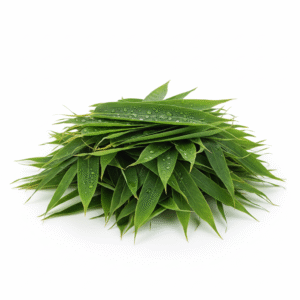
- Parts used: Young/tender leaves (called soft leaves)
- Nature: Slightly fibrous, cooling, mildly bitter
- Traditional uses: Digestive support, skin care, anti-inflammatory, and hair strengthening
🌿 1. Pineapple Leaf Juice (Traditional Use)
Purpose:
Used in folk medicine for digestion, to relieve bloating, and to reduce inflammation.
Also sometimes used as a mild natural detox drink.
Preparation:
- Take 3–4 tender pineapple leaves (the soft inner ones, not the hard outer leaves).
- Wash thoroughly.
- Cut into small pieces and blend with 1 cup of water.
- Strain through a fine cloth or sieve.
- Optional: Add a few drops of lemon or honey to improve taste.
How to use:
Drink 2–3 tablespoons once a day (morning), not on an empty stomach.
Benefits (traditional/folk claims):
- Aids digestion
- Helps reduce bloating or gas
- Supports metabolism and detoxification
- May soothe sore throat or cough (mild expectorant)
⚠️ Only use young soft leaves — mature leaves contain sharp fibers and may irritate the throat or stomach.
💆 2. For Hair and Scalp Health
Purpose: Strengthen roots, reduce dandruff, promote healthy scalp.
Method:
- Blend soft leaves with a little aloe vera gel or coconut milk.
- Apply the mixture to your scalp.
- Leave for 20–30 minutes.
- Wash with mild herbal shampoo.
Effect: Adds shine, may help reduce itching or dryness.
✨ 3. For Skin (Traditional/DIY Use)
- The mild juice from soft leaves is sometimes applied to acne-prone or oily skin (due to its enzymes and antioxidants).
How to use:
- Extract juice from soft leaves.
- Mix with a few drops of rose water or honey.
- Apply as a mask for 10–15 minutes, then rinse.
🪴 4. Fertilizer or Compost Use
Even though this isn’t medicinal, pineapple leaves (soft or dry) are rich in nutrients and can be added to compost or blended into natural plant fertilizer for houseplants.



Reviews
There are no reviews yet.