

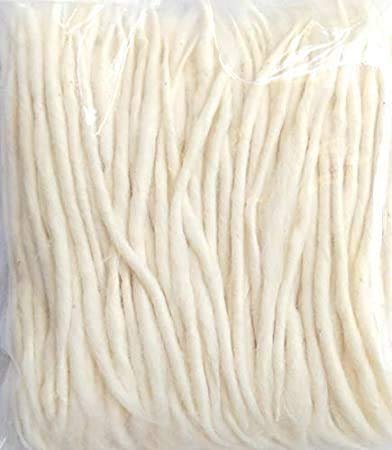
Using the wick (cotton thread) for a diya (clay lamp) in puja is very simple but important, as it ensures the lamp burns steadily and symbolizes the light of knowledge.
🪔 How to Use a Wick for Diya in Puja
1. Choosing the Wick
- Use cotton thread (usually 2–3 mm thick).
- Make sure it’s clean and dry, without any synthetic fibers.
2. Preparing the Wick
- Take a piece of cotton thread about 2–3 inches long (depending on the size of the diya).
- Fold or twist it slightly to make it compact but flexible.
- The wick should have one end submerged in oil/ghee and the other end sticking out to light.
3. Placing the Wick in the Diya
- Pour oil (ghee, mustard oil, or sesame oil) into the diya.
- Place one end of the wick in the oil so it soaks up the oil.
- Ensure the other end sticks out slightly above the edge of the diya for easy lighting.
4. Lighting the Wick
- Light the protruding end with a matchstick or another flame.
- The oil-soaked part of the wick will burn slowly, giving a steady flame.
5. During Puja
- Keep the diya in front of the deity or on the puja altar.
- Can be used in aarti, bhajans, or as a decorative sacred light around the puja area.
6. After Puja
- Let the wick burn completely if possible.
- To extinguish, gently cover it with a small spoon or diya lid. Avoid blowing directly.
- You can reuse the wick if it is not burnt completely; just trim the charred end.


Reviews
There are no reviews yet.