

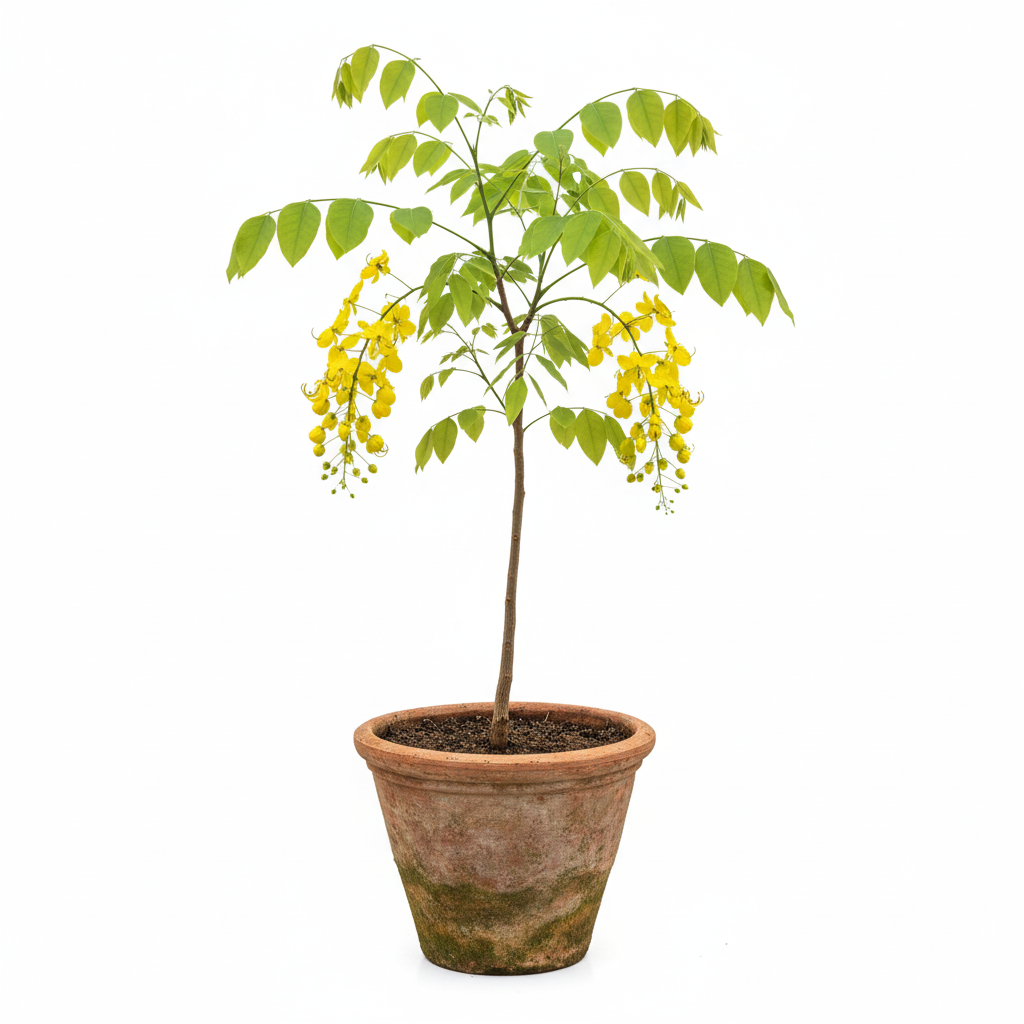
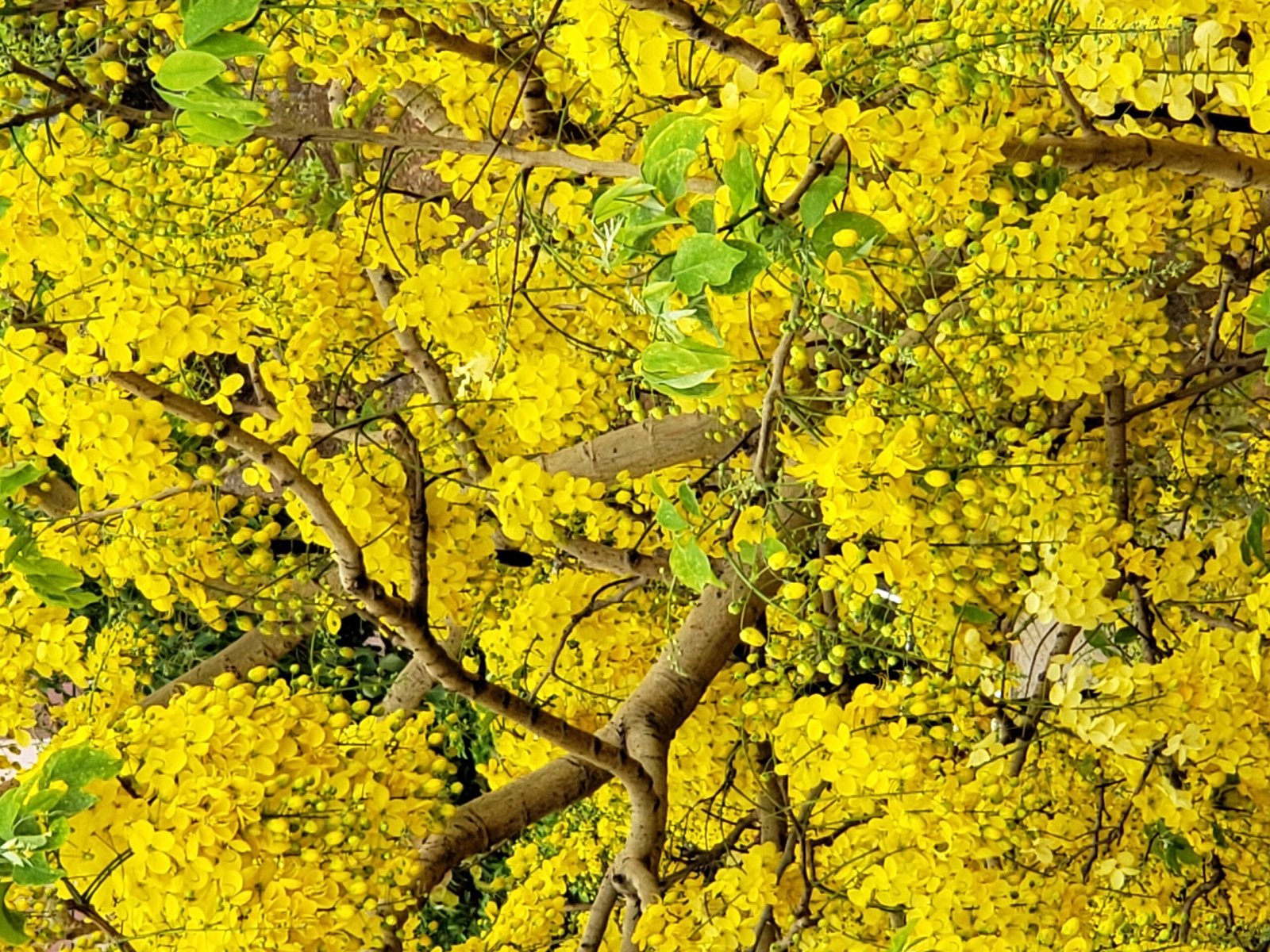
Amaltas (Cassia fistula), also known as Golden Shower Tree or Indian Laburnum, is one of India’s most stunning and sacred flowering trees.
It’s not only ornamental but also Ayurvedic — its pods, bark, and flowers
🌳 1. Basic Information
| Feature | Details |
|---|---|
| Botanical name | Cassia fistula |
| Common names | Amaltas, Golden Shower Tree, Indian Laburnum, Aragvadha (Sanskrit = “disease killer”) |
| Family | Fabaceae |
| Type | Deciduous tree (loses leaves in winter, blooms in summer) |
| Lifespan | 40–60 years |
| Height | Up to 10–20 m (can be pruned smaller) |
🌞 2. Ideal Climate
- Best suited for: Tropical & subtropical climates (perfect for most of India)
- Temperature: 25°C–40°C
- Sunlight: Needs full sun (6–8 hrs/day) — more sun = more flowers 🌼
- Rainfall: Moderate; thrives in areas with good monsoon.
🌱 3. Soil Requirements
- Type: Well-drained loam or sandy-loam soil
- pH: Neutral to slightly acidic (6.0–7.5)
- Preparation:
Mix:- 2 parts garden soil
- 1 part sand
- 1 part compost / cow dung manure
Note: Avoid waterlogged or clay-heavy soil — Amaltas hates standing water.
🌾 4. Propagation (How to Grow)
You can grow Amaltas from seed or sapling.
🌰 (A) From Seeds (most common)
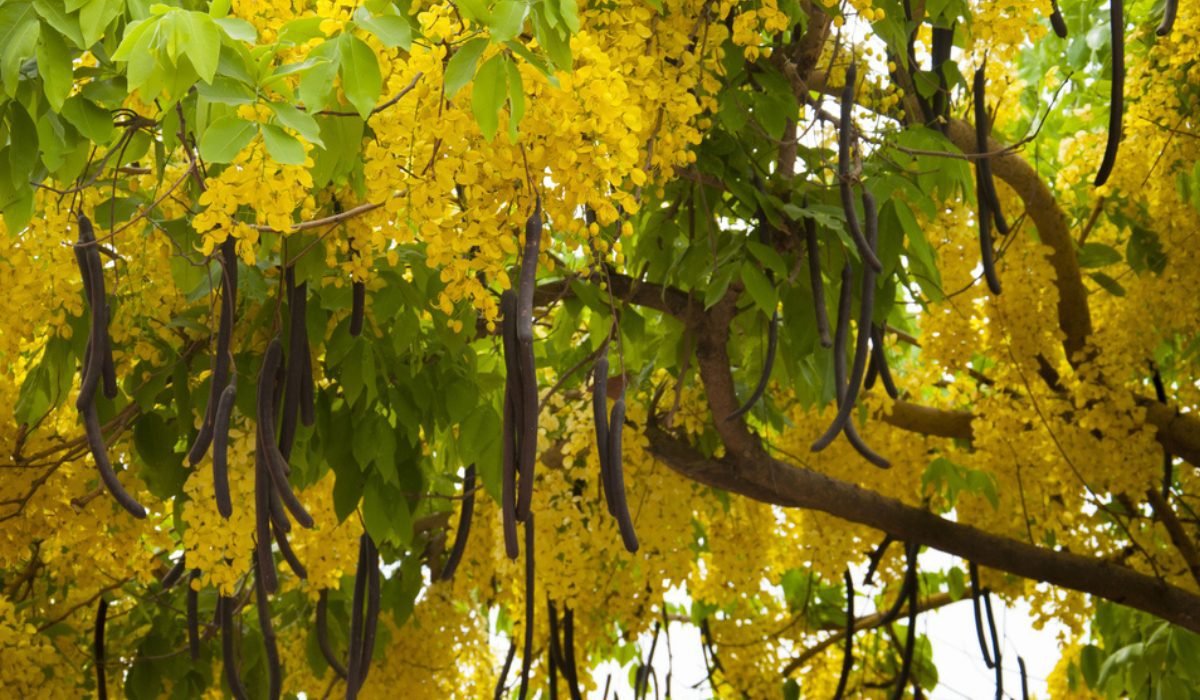
- Collect pods (brown, hard) when dry — each pod has ~20–30 seeds.
- Pre-treatment (important):
- Soak seeds in warm water (not boiling) for 12–24 hours.
- OR lightly rub them with sandpaper to weaken the seed coat — this helps germination.
- Sow depth: ½ inch deep in pots or nursery bags filled with moist soil mix.
- Keep in shade until seeds germinate (7–15 days).
- Transplant seedlings (6–8 inches tall) to open ground or large pots.
🌿 (B) From Nursery Saplings
- Buy 1–2 ft saplings (₹80–₹150 each).
- Dig pit: 1.5 ft × 1.5 ft × 1.5 ft
- Mix soil + compost + sand (2:1:1).
- Plant the sapling upright, cover roots gently, and water well.
💧 5. Watering
- Young plants: 2–3 times per week for the first 3 months.
- Established trees: Once a week in dry season.
- Reduce watering in winter — Amaltas prefers slightly dry soil.
🌸 6. Flowering & Fruiting
- Starts flowering in 3–5 years (seed-grown).
- Blooming season: March–June (before monsoon).
- Flowers: Bright yellow clusters — very fragrant.
- Fruits: Long cylindrical pods (used in Ayurveda).
💡 The tree sheds leaves before flowering — that’s normal and signals bloom time!
🌿 7. Fertilizer & Care
- Fertilizer: Apply once or twice a year — 5–10 kg compost per tree (before monsoon).
- Weeding: Keep area around trunk weed-free.
- Pruning: Light pruning after flowering (July–August) to shape the tree.
- Pests: Rare; neem oil spray once a month keeps it healthy.
🪴 8. Growing in Pots (Yes, Possible!)
If you’re short on space:
- Choose a large pot (20–24 inches) with drainage holes.
- Soil mix: 2 parts garden soil + 1 part compost + 1 part sand.
- Place in full sun.
- Water when the topsoil dries out.
- Prune annually to maintain shape (bonsai-style Amaltas is possible!).
🌺 9. Ayurvedic & Cultural Uses
- Pods: Mild laxative; used in Aragvadha churna.
- Bark: Anti-inflammatory and used for skin issues.
- Flowers: Used in cooling herbal teas and summer tonics.
- Cultural: Sacred to Lord Vishnu; planted near temples and gardens.


Reviews
There are no reviews yet.