

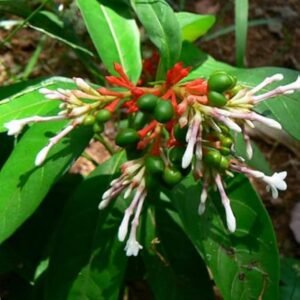
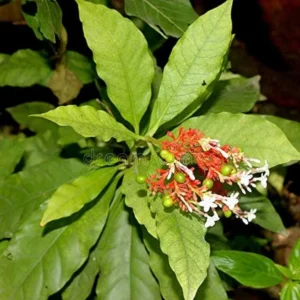
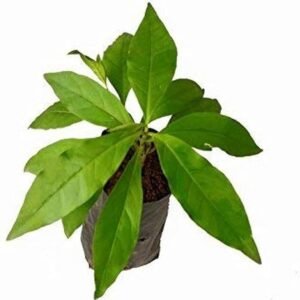
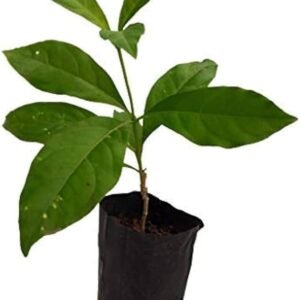
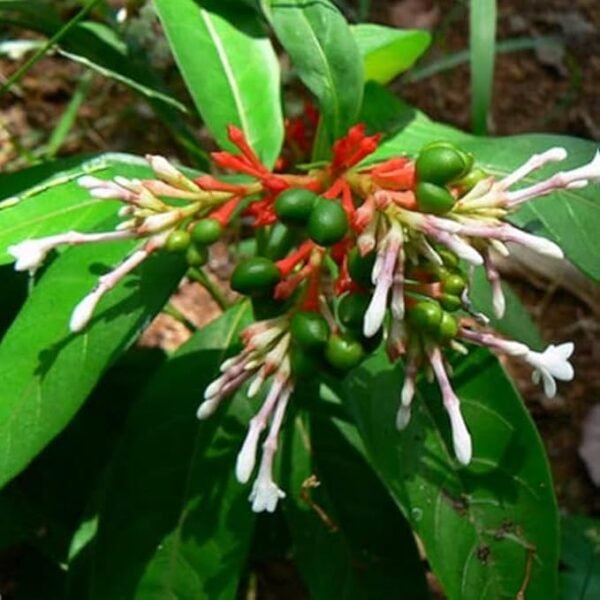
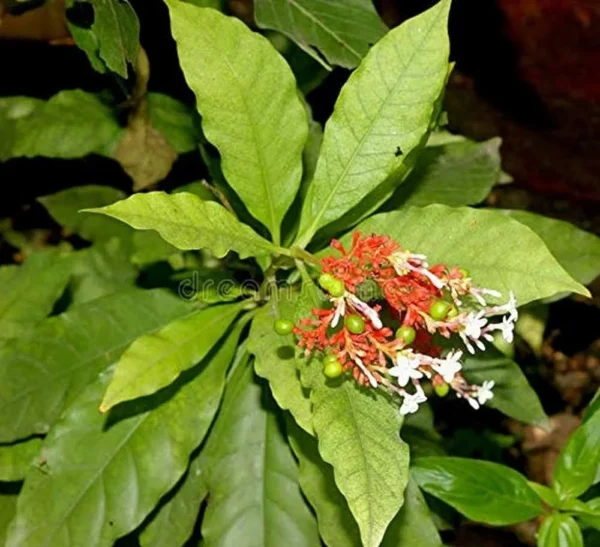
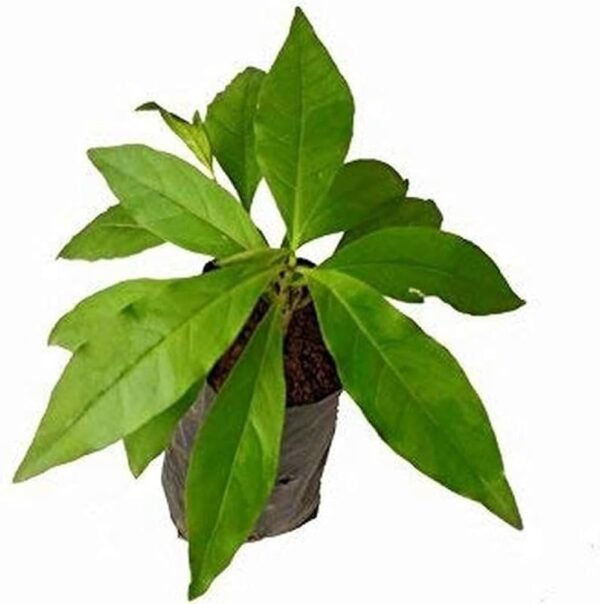
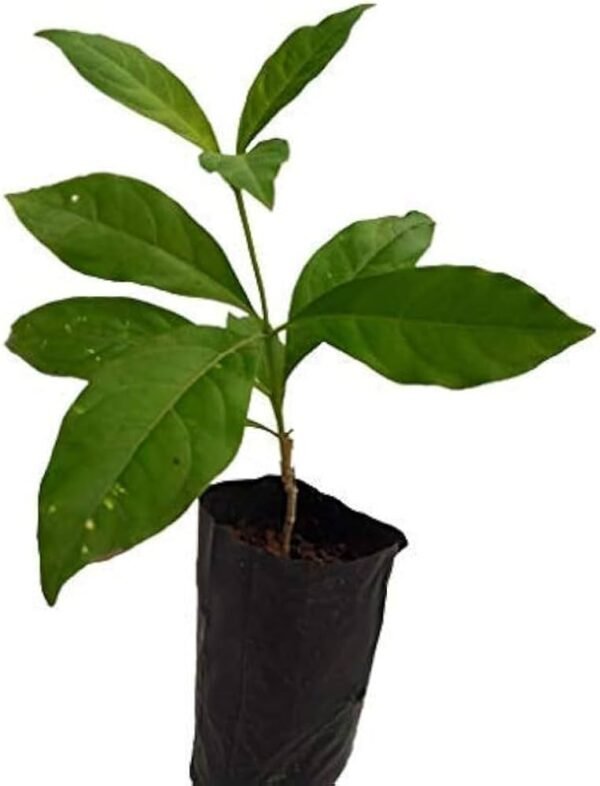
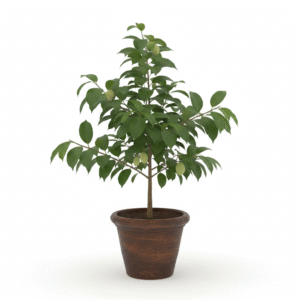
Sarpagandha (Rauvolfia serpentina) is a valuable plant, commonly used in traditional.
1. Climate & Location
- Climate: Warm, humid, tropical to subtropical
- Temperature: Ideal range 20–35°C
- Sunlight:
- Grows best in partial shade
- Can tolerate full sun if soil moisture is maintained
- Rainfall: Moderate to high (well distributed)
2. Soil Requirements
- Type: Loamy or sandy-loam soil
- Drainage: Very important — avoid waterlogging
- Soil pH: Slightly acidic to neutral (pH 6–7.5)
- Soil preparation:
- Mix in well-rotted farmyard manure or compost
- Remove stones and weeds before planting
3. Propagation Methods
Sarpagandha can be grown in three ways:
a) By Seeds
- Seed germination is slow and low (30–40%)
- Soak seeds in water for 24 hours before sowing
- Sow in nursery beds or trays
- Germination takes 3–5 weeks
b) By Root Cuttings (Most Reliable)
- Use 5–7 cm long root pieces
- Plant horizontally in moist soil
- Faster and more successful than seeds
c) By Stem Cuttings
- Use semi-hardwood cuttings
- Less common but possible with proper moisture
4. Planting
- Best season: June–July (monsoon) or early spring
- Spacing:
- 30 × 30 cm (field planting)
- Transplant seedlings when they are 10–15 cm tall
5. Watering
- Keep soil consistently moist, not soggy
- Water:
- Every 2–3 days in summer
- Less frequently during rainy season
- Avoid standing water — roots rot easily
6. Fertilization
- Apply organic manure (compost or vermicompost) every 2–3 months
- Avoid heavy chemical fertilizers
- Light application of neem cake improves root growth
7. Weeding & Maintenance
- Weed regularly, especially during early growth
- Light mulching helps:
- Retain moisture
- Control weeds
- Pruning is generally not required






Reviews
There are no reviews yet.