

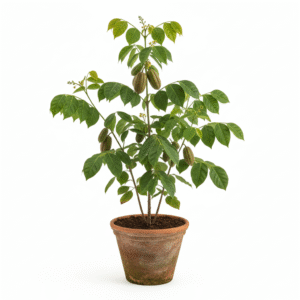
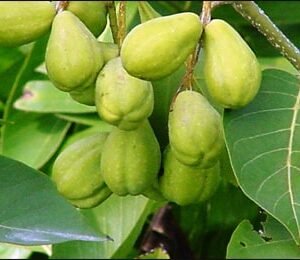
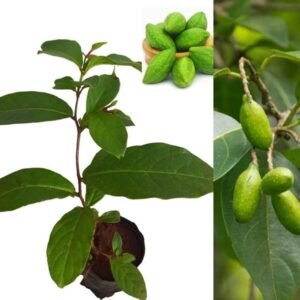
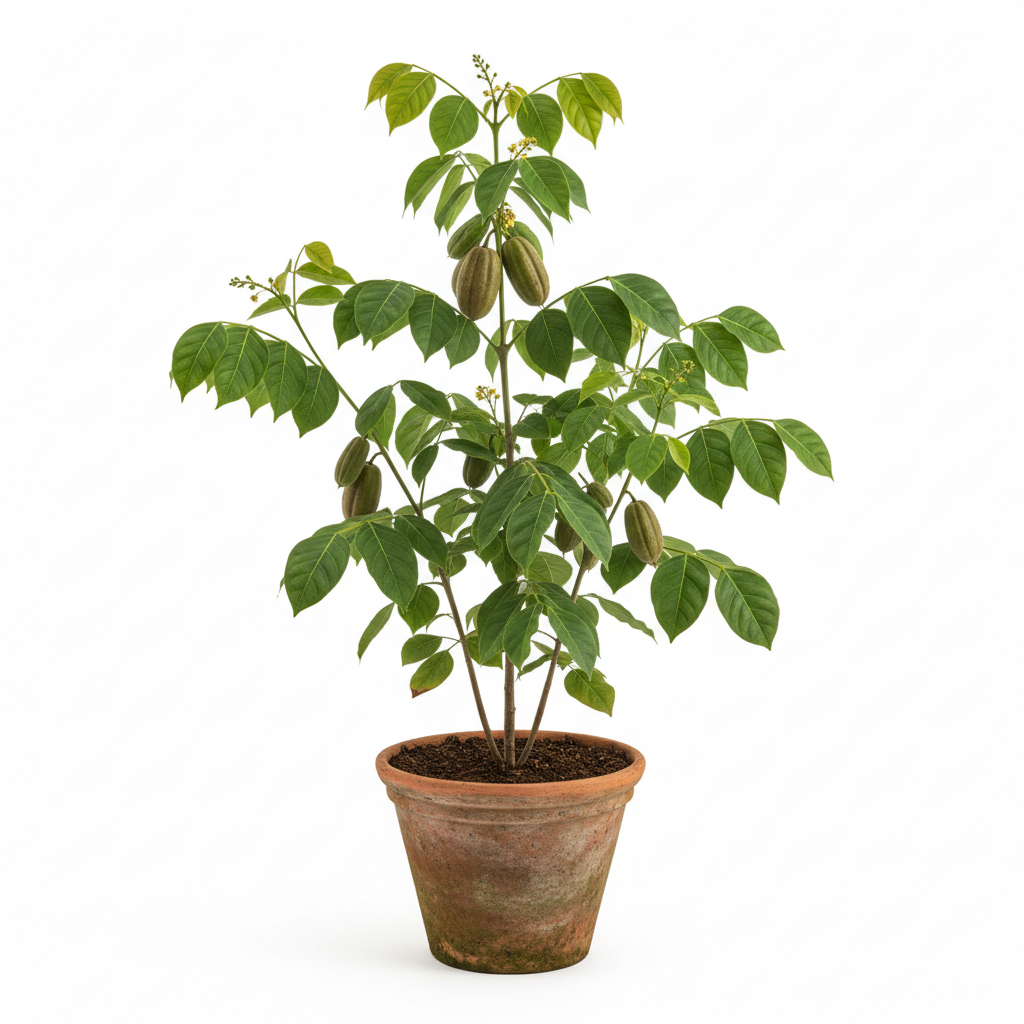
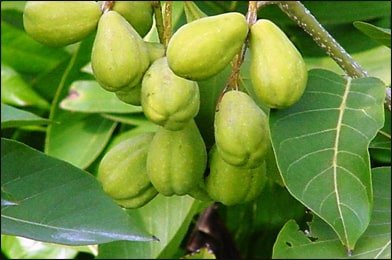
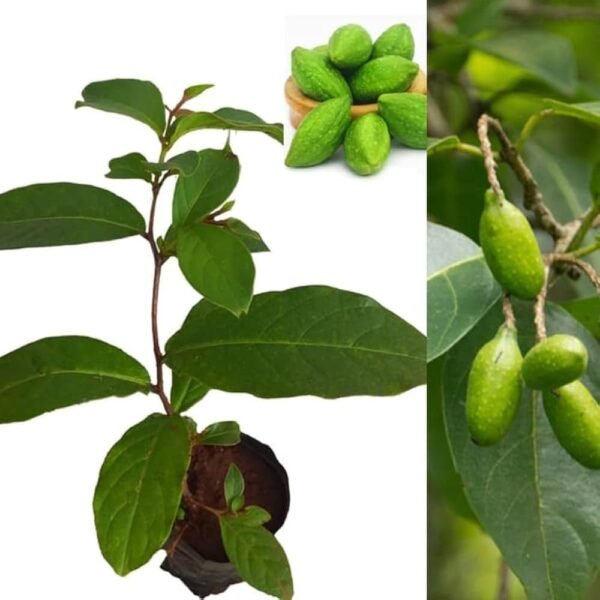
Haritaki (Harad) plant (Terminalia chebula) is rewarding because it’s both ornamental. Haritaki is a large tropical tree native to South and Southeast Asia, known for its dried fruits used in Ayurvedic (especially in Triphala).
🌱 Basic Overview
- Botanical name: Terminalia chebula
- Common names: Haritaki, Harad, Kadukkai, Chebulic myrobalan
- Family: Combretaceae
- Type: Tropical deciduous tree
- Native: India and Southeast Asia
- Mature height: Up to 20–30 m outdoors; smaller when grown in pots
🪴 Growing Conditions
☀️ Light
- Needs full sun (at least 6–8 hours/day).
- Can tolerate partial shade, but growth slows and fruiting reduces.
- Indoors: place near a bright south-facing window or under a grow light.
🌡️ Temperature
- Thrives in warm tropical/subtropical climates (20–35 °C).
- Sensitive to frost — protect or bring indoors if below 10 °C.
- If kept inside, ensure good air circulation and avoid cold drafts.
💧 Watering
- Keep soil consistently moist but not waterlogged.
- Water deeply when the top 1–2 inches of soil feels dry.
- Reduce watering slightly in winter.
- Use rainwater or dechlorinated water if possible — Haritaki prefers soft water.
💡 Tip: Mulch around the base to retain moisture and regulate soil temperature.
🌿 Soil
- Prefers well-draining, loamy soil rich in organic matter.
- Ideal mix (for pots):
- 40% garden soil
- 30% compost or cow dung manure
- 20% coarse sand
- 10% cocopeat
- pH: Slightly acidic to neutral (6.0–7.5).
🪴 Container Growing
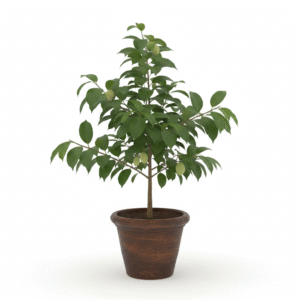
- Use a large pot (at least 18–24 inches deep) for young trees.
- Ensure good drainage holes.
- Repot every 2–3 years as the plant grows.
- Once it outgrows the pot, transplant outdoors if possible.
🌸 Fertilizing
- Feed monthly during the growing season (spring–monsoon) with:
- Organic compost, or
- A balanced NPK fertilizer (10-10-10 or 19-19-19) diluted in water.
- Avoid overfertilizing — too much nitrogen can reduce fruiting.
✂️ Pruning
- Prune lightly in late winter or early spring to shape the tree and remove dead/diseased branches.
- Don’t over-prune young plants — let the main trunk establish.
🌼 Flowering and Fruiting
- Usually begins to flower after 3–5 years.
- Flowers: small, yellowish-white clusters.
- Fruits: green when young, turn yellowish to brown when mature.
- Harvest fruits when fully ripe and dry them.






Reviews
There are no reviews yet.