

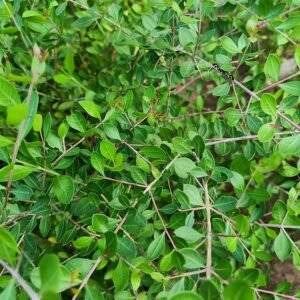
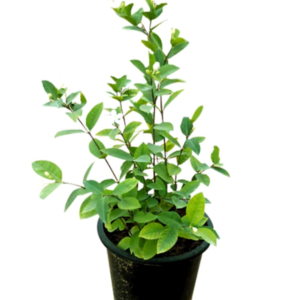
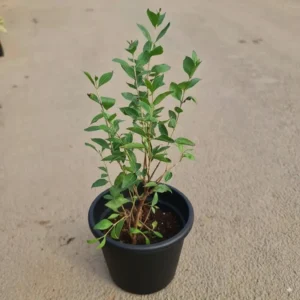
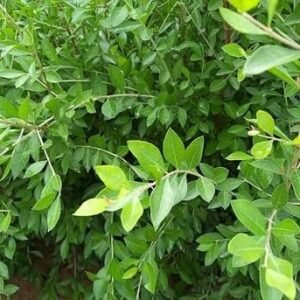
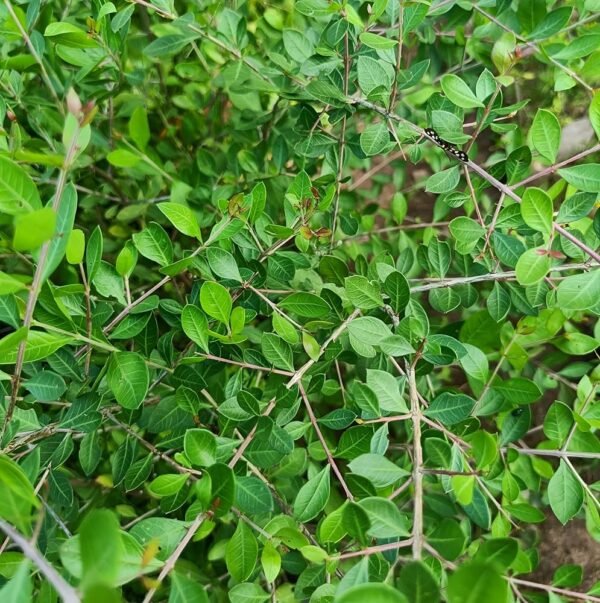
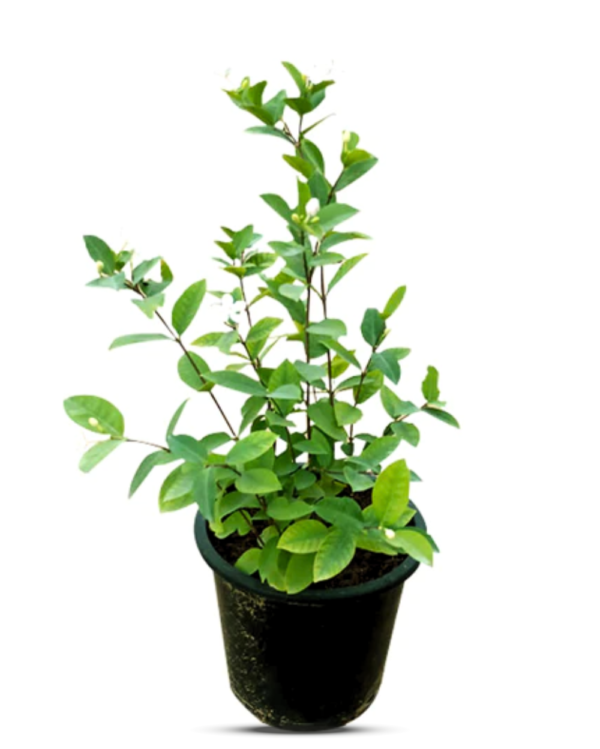
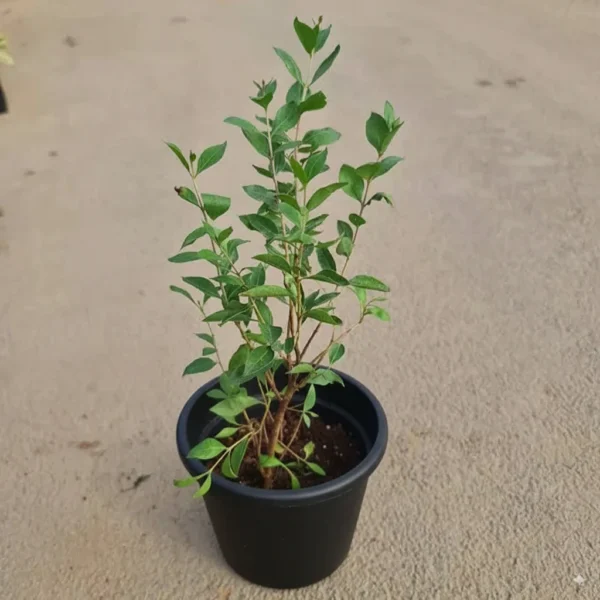
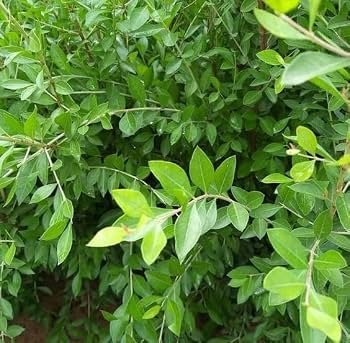
The henna or mehendi plant (scientific name: Lawsonia inermis) is a hardy, drought-tolerant shrub that thrives in hot climates. It grows very well in most parts of India, including West Bengal, if given enough sunlight and good drainage.
Light
- Needs 6–8 hours of direct sunlight every day.
- More sunlight results in faster growth and better leaf production.
- Avoid keeping it in full shade.
Soil
Henna prefers well-drained soil.
A good potting mix:
- 40% garden soil
- 30% river sand
- 20% compost or vermicompost
- 10% cocopeat or leaf compost (optional)
pH: Slightly alkaline to neutral (6.5–8.0).
Pot Size
- Start with a 10–12 inch pot.
- Repot into a 16–20 inch pot as it grows.
- Ensure the pot has several drainage holes.
Watering
Henna does not like constantly wet soil.
- Summer: Water when the top 2–3 cm of soil feels dry (usually every 2–3 days).
- Monsoon: Water only if the soil is drying out.
- Winter: Once every 5–7 days, depending on the weather.
Never allow water to stand in the pot.
Fertilizer
Feed lightly.
- Every month: 1–2 handfuls of well-rotted compost or vermicompost.
- Every 2 months: A small handful of neem cake.
- Avoid heavy nitrogen fertilizers, which can produce soft, weak growth.
Pruning
- Pinch the growing tips of young plants to encourage branching.
- Prune after the flowering season to maintain a bushy shape.
- Remove dead or diseased branches whenever you notice them.
Temperature
- Ideal: 25–40°C
- It tolerates very high heat well.
- Young plants should be protected if temperatures drop below 10°C.





Reviews
There are no reviews yet.